
Areas of Expertise

Diabetes Care
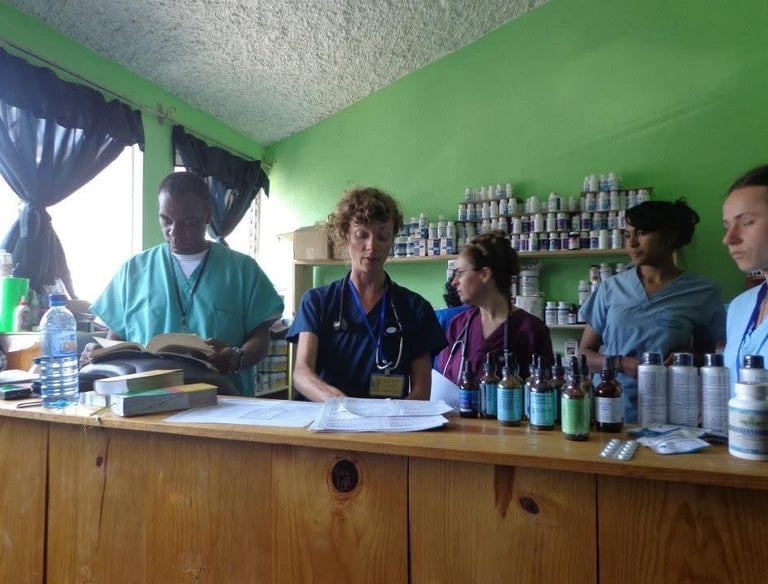
Design and support for diabetes prevention and treatment programs worldwide.
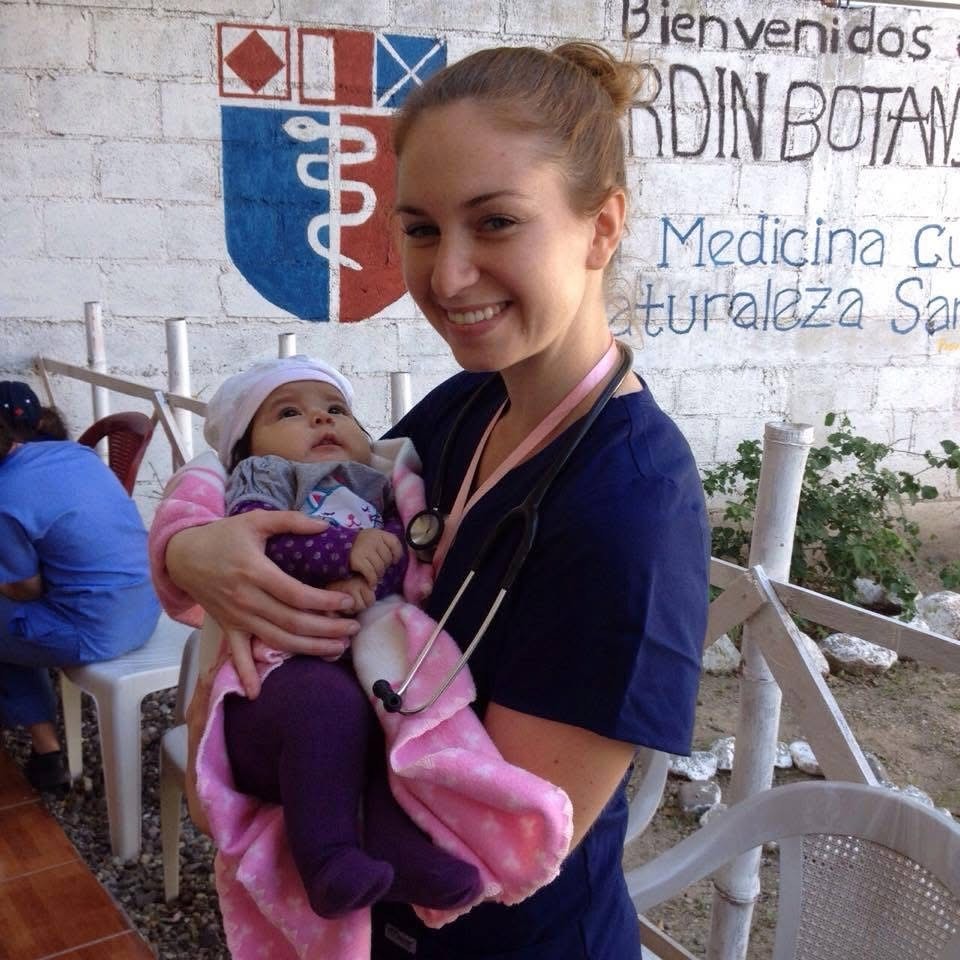
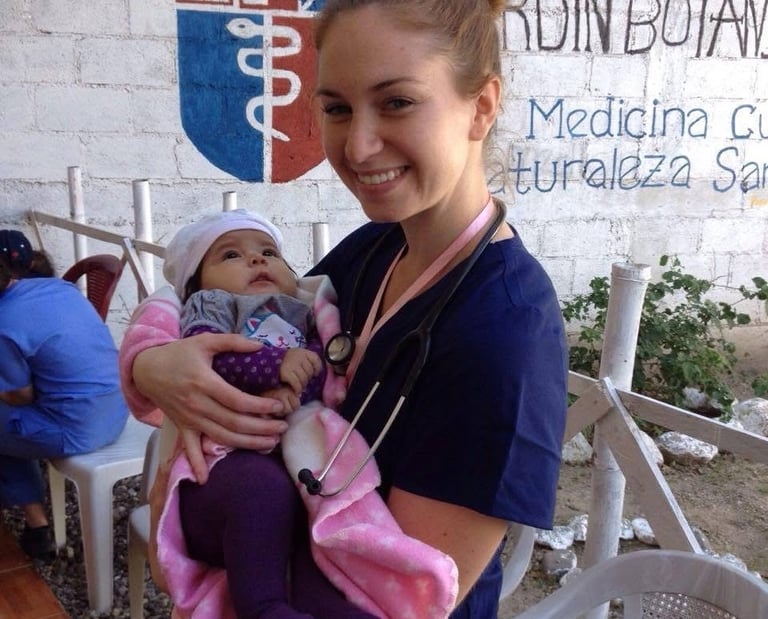
Maternal Health
Supporting prenatal and postnatal care with midwife training and advocacy.
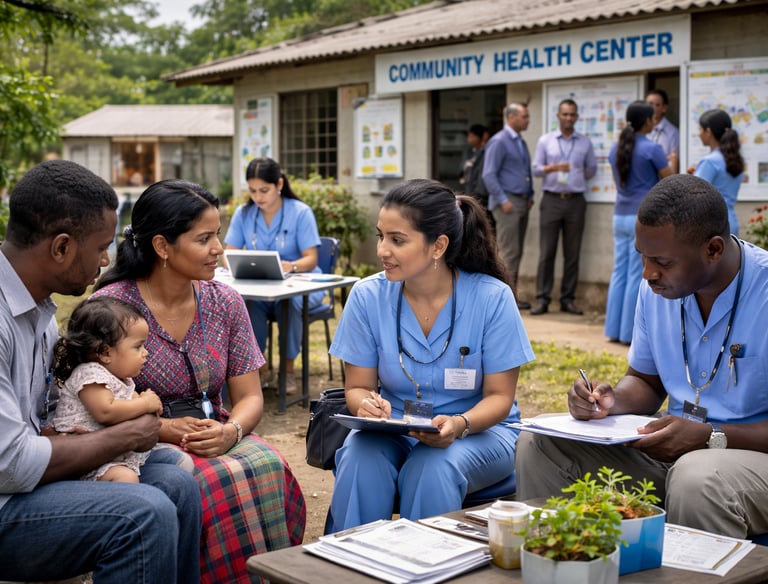
Community Health Workforce
Design and strengthen health systems by integrating and supporting Community Health Workers worldwide.
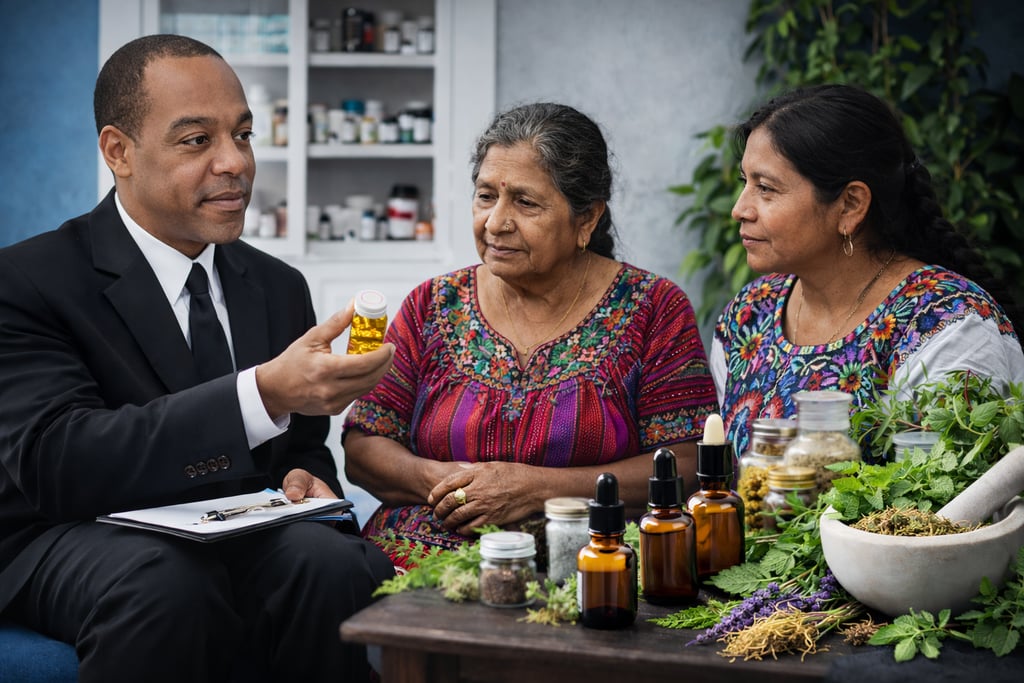
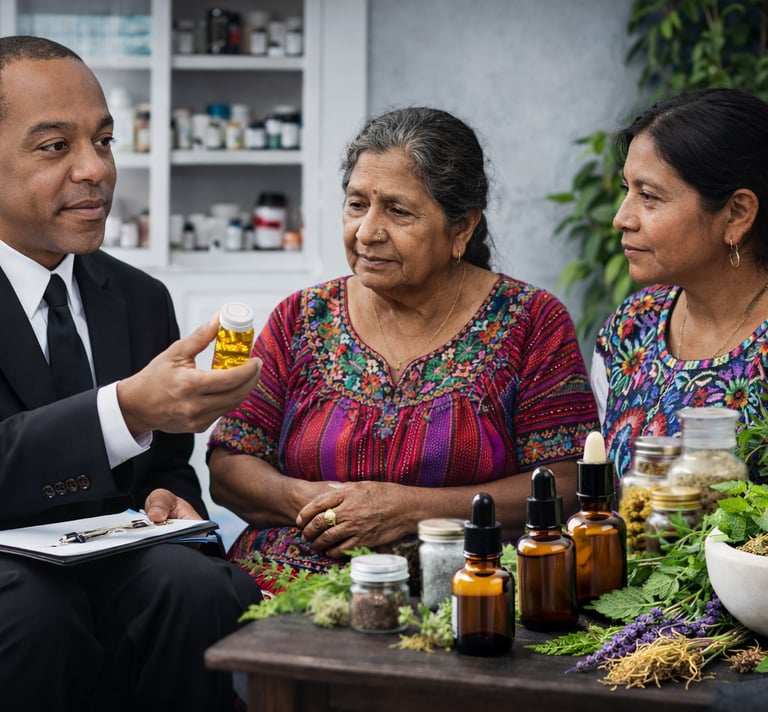
Integrative, Alternative, and Complementary Medicine
Support the safe integration of alternative and complementary medicine into national healthcare systems worldwide.
PCIH Consulting areas of Expertise
1. Program Design and Implementation
Develop public health programs to prevent and manage diabetes, including education, screening, and treatment initiatives.
2. Policy Development
Advise governments, NGOs, Private sector institutions, and international organizations on diabetes-related health policies, guidelines, and best practices.
3. Capacity Building
Train healthcare providers, community health workers, and policymakers to improve diabetes care and management.
4. Research and Data Analysis
Conduct studies on diabetes prevalence, risk factors, the effectiveness of interventions, and utilizing data to improve public health strategies.
5. Health Education and Advocacy
Promote awareness of diabetes, healthy lifestyles, and access to care through community outreach, educational campaigns and advocacy efforts.
6. Monitoring and Evaluation
Assess the impact of diabetes programs and recommending improvements based on outcomes and evidence.
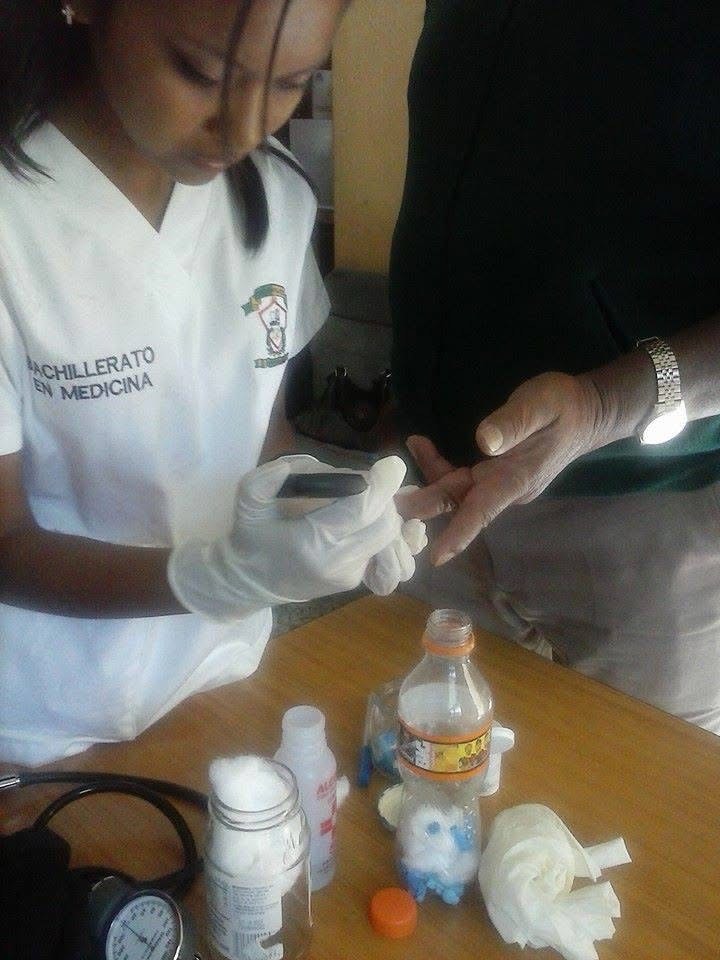
Diabetes:
1. Program Design and Implementation
Develop and implement maternal health programs, including prenatal, intrapartum and postnatal care. Creating training programs for local healthcare workers, including midwives, nurses, and doctors.
2. Capacity Building
Provide training and education to build the skills of midwives and other care healthcare professionals. Support the integration of evidence-based practices in maternal Health.
3. Policy Development
Advise governments, NGO’s and international organizations on maternal health policies and strategies. Assist in the creation of guidelines and protocols to improve maternal and newborn care.
4. Research and Data Analysis
Conduct research on maternal health trends and outcomes. Use data to identify gaps in care and develop interventions.
5. Advocacy and Education
Promote best practices in maternal health through public health
campaigns. Educate communities about safe pregnancy and childbirth practices.
6. Monitoring and Evaluation
Assess the effectiveness of maternal health services in crises. Provide recommendations for improvement based on evaluation findings.
Partnering with The World Bank, Princeton Center for International Health was able to launch this most promising project, leading to even better results.
Read full article here!
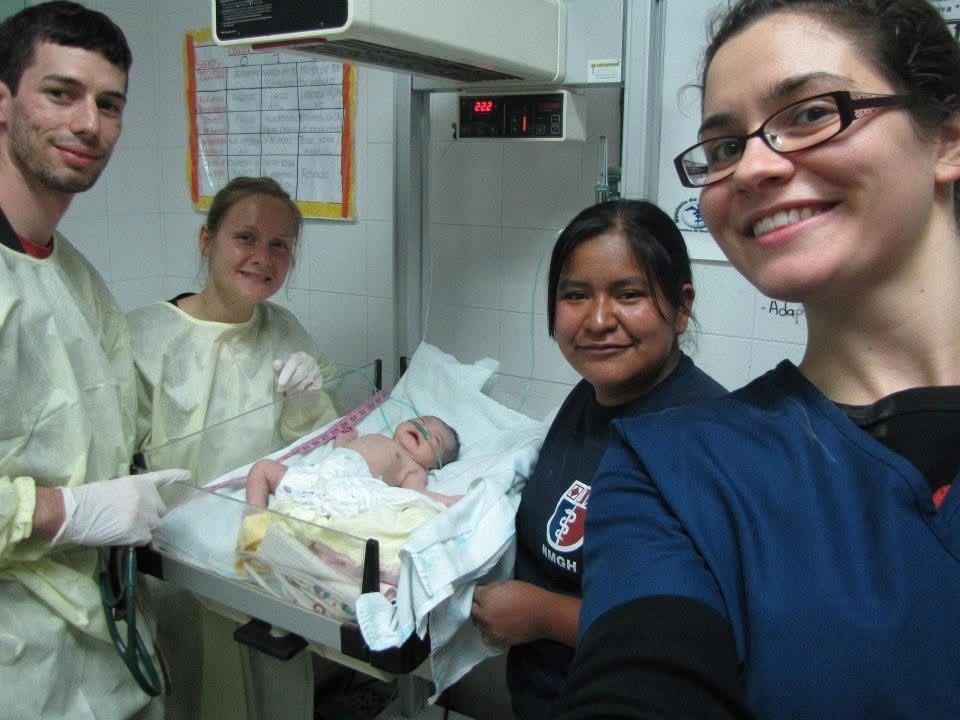
Maternal Health:
Health System Strengthening with Community Health Workers:
1. Program Design and Implementation:
Develop strategies to integrate Community Health workers (CHWs) into health systems effectively. This can include designing training programs, creating community outreach plans, and establishing protocols for services delivery.
2. Capacity Building:
Train CHWs in clinical skills, health education, data collection, and patient management. Consultants may also train supervisors and health managers to support CHWs.
3. Policy Development
Advise governments and health organizations on policies that support the sustainable integration of CHWs, including guidelines for recruitment, compensation, and career progression.
4. Monitoring and Evaluation
Design systems to assess the impact of CHW programs on health outcomes. This involves setting performance indicators, conducting field assessments,
and analyzing data to refine strategies.
5. Advocacy and Stakeholder Engagement
Work with local communities, governments, NGOs, and international agencies to build support for CHW programs. This also involves demonstrating the cost-effectiveness and impact of CHWs in improving health access.
6. Scaling and Sustainability
Develop strategies to scale successful CHW programs and ensure their long- tern viability, often through integration into national health systems or securing ongoing funding.
Integration of Integrative, Alternative and Complementary Medicine into National Healthcare Systems:
1. Policy Development:
Advise governments and health organizations on the creation of policies
that safely integrate alternative medicine (Naturopathic Medicine, Traditional Chinese Medicine, Functional Medicine, Chiropractic Medicine)
2. Regulatory Frameworks:
Assist in establishing regulation for the licensing, quality control, and standardization for alternative therapies and practitioners.
3. Research and Evidence Building:
Promote research into the efficacy and safety of alternative treatments that can include collaborating with academic institutions and research bodies.
4. Program Design and Implementation:
Develop pilot programs or national initiatives to introduce alternative medicine into healthcare settings, ensuring they complement existing medicine practices.
5. Community Engagement:
Work with local communities to understand traditional health practices and integrating culturally accepted methods into broader health strategies.
6. Monitoring and Evaluation
Design systems to assess the impact of integrated healthcare models on patient outcomes and healthcare system efficiency.

Diabetes Care
Tailored diabetes programs to improve community health outcomes.
Diabetic Interventions
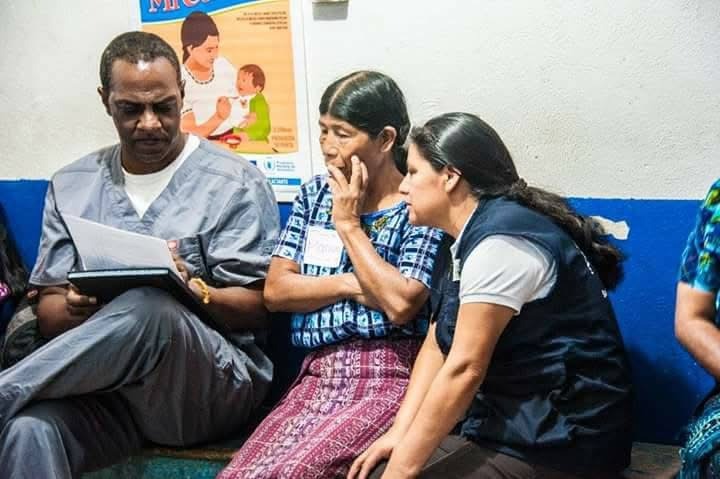
A diabetes prevention program was established in Guatemala in 2010 to provide:
1. Reduced prices on Diabetic medications.
2. A monthly Diabetic Club for glucose testing.
3. Community diabetes education sessions.
4. Home visits by health workers.
Plans for a full-scale treatment center are underway.
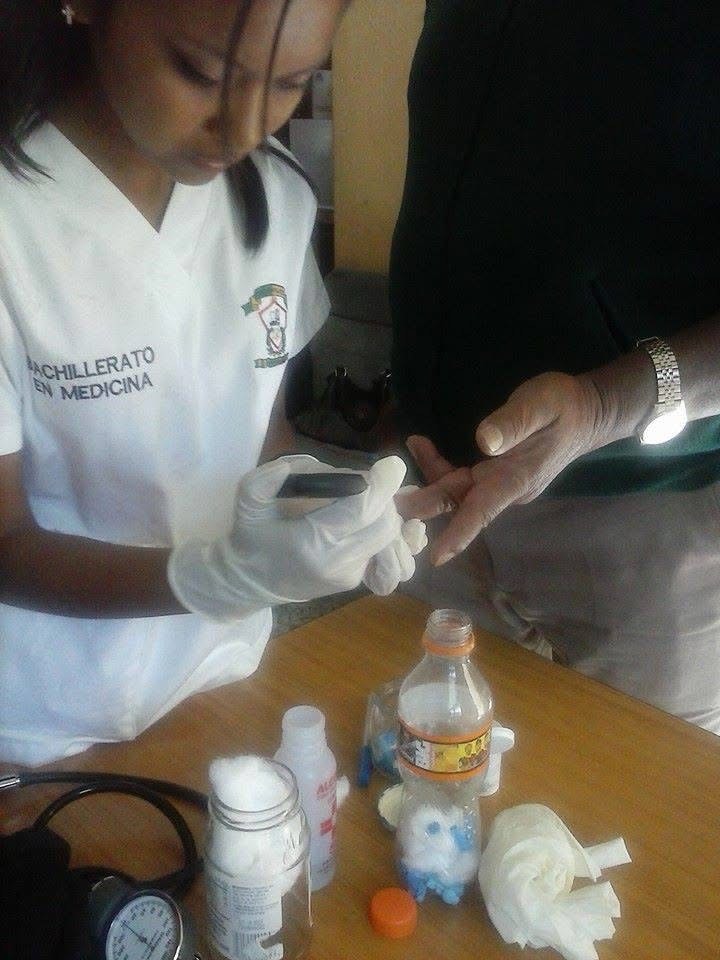
PCIH specializes in diabetes program design and implementation, including education and screening. We focus on policy development, capacity building through training, and research on diabetes prevalence and intervention effectiveness. Through advocacy and outreach, we promote diabetes awareness and healthy lifestyles. PCIH also provides monitoring and evaluation services to assess program impact.

Our Maternal Health Journey
Global Partnerships Yielding Results
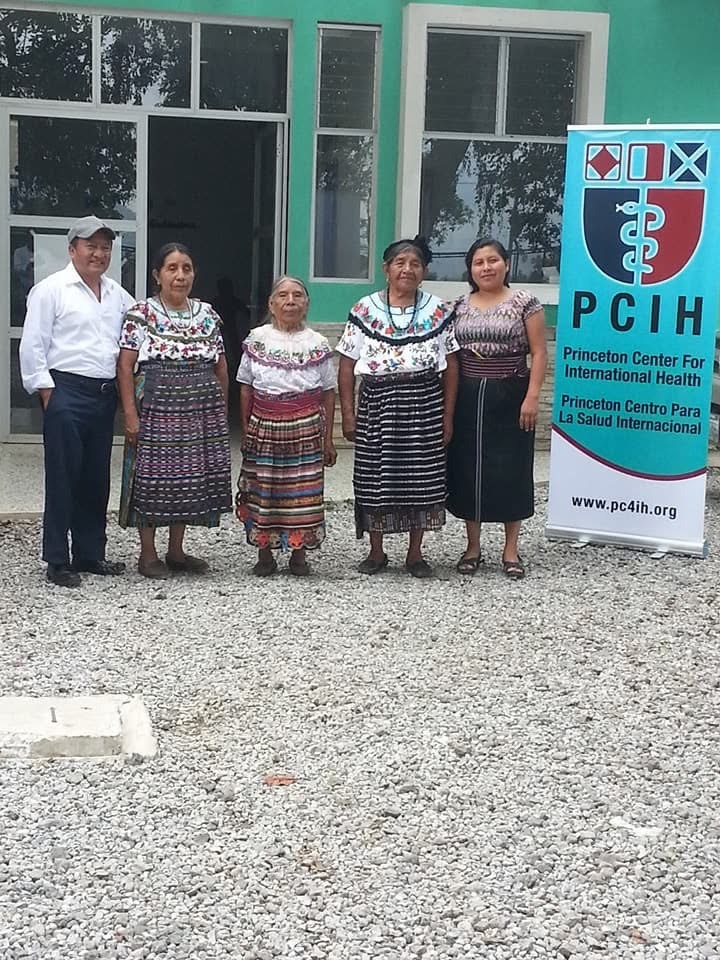
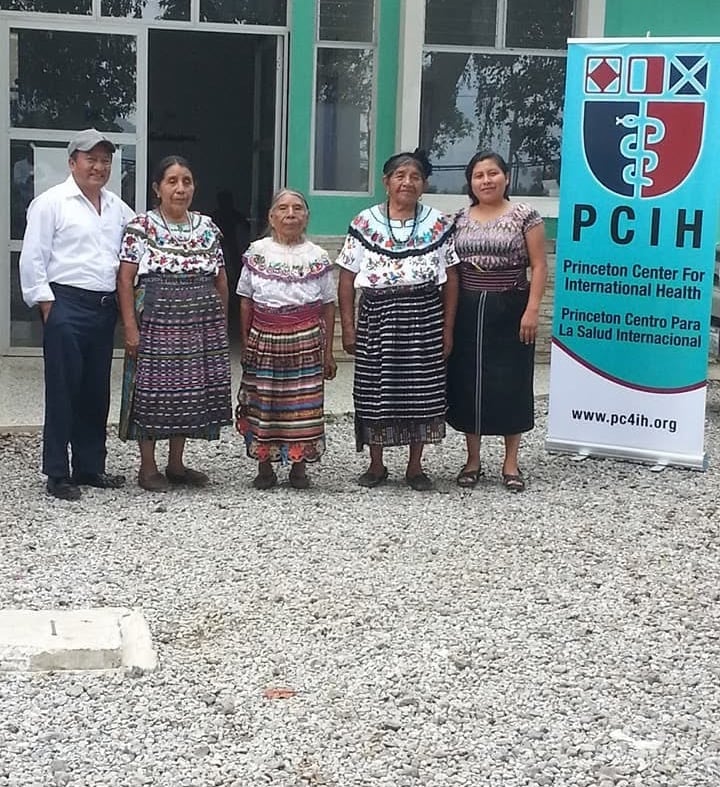
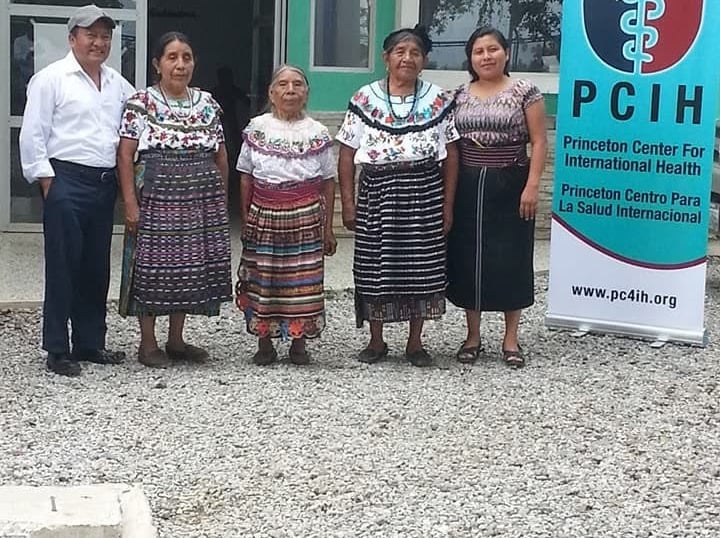
PCIH, in collaboration with the NGO Mayan Traditions Foundation, conducted Cervical Cancer Prevention/Detection Classroom instruction for Midwives from various highland regions in Guatemala.
August 2018
Reducing Maternal Deaths in Solola, Guatemala
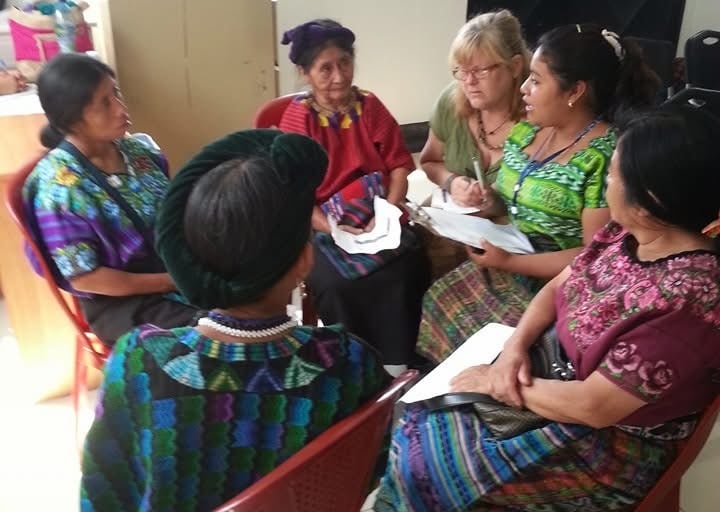
A training program for indigenous midwives (comadronas) was developed to help identify high-risk pregnancies in seven towns around Lake Atitlán, Guatemala.
Read Full Article here
Evidence-Based Solutions for Maternal Health
PCIH develops maternal health programs spanning prenatal, intrapartum, and postnatal care by training healthcare professionals and advising on policies and strategies to improve maternal and newborn outcomes. Through research and community education, PCIH identifies care gaps, promotes best practices, and evaluates program effectiveness to drive continuous improvement. In partnership with The World Bank and the Princeton Center for International Health, PCIH was able to launch its most promising initiative to date, achieving even stronger results and broader impact.
Driving Sustainable Improvement in Maternal Health
PCIH has worked as a consultant in the design and implementation of interventions that improve maternal health outcomes and lower maternal mortality and morbidity. Beginning with a successful pilot program in the Guatemalan highlands in 2016, PCIH is positioned to assist governments and organizations seeking address Maternal Mortality.